
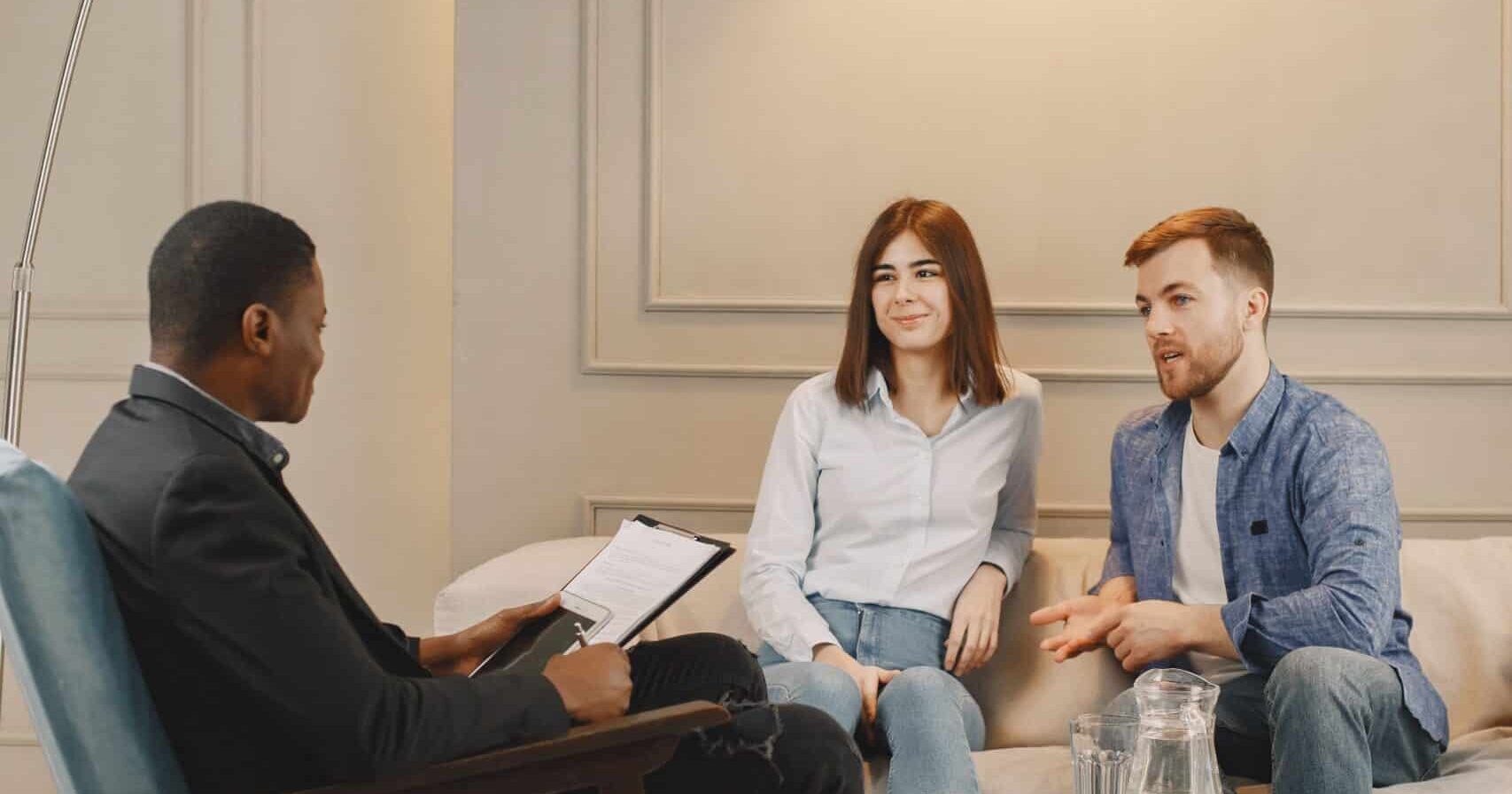
Doing something for the first time can be unnerving, even something as seemingly innocuous as couples therapy. Yet most couples walk into their first session feeling nervous, uncertain, or maybe even a little reluctant. That’s completely normal. This post is your straightforward guide to what to expect in your first couples therapy session, so you can walk through the therapist’s door feeling prepared, instead of dreading the unknown.
The First Session Is About Getting to Know You, Not Fixing Anything
The biggest misconception people take into their first couples therapy session is the expectation that the therapist will be determined to start solving problems on day one.
But when it comes to couples therapy, what to expect in your first session is an intake and assessment, not a breakthrough. The therapist’s first job is to understand your relationship history, hear what you’re bringing in with you, and learn what each of you is hoping to get out of the process. Conflict resolution is most definitely not on the agenda.
Your therapist will be paying the most attention to communication patterns, body language, and how each of you describes the relationship. They’re not evaluating who’s right or who’s wrong. In fact, therapists are neutral by design; they’re facilitators, not judges.
What Happens During the Session
Here’s a practical account of how a first couple’s therapy session unfolds:
Introductions and paperwork. If you haven’t completed intake forms ahead of time, you’ll handle those first. Arrive a few minutes early to give yourself some breathing room.
Opening questions. The therapist will typically ask both partners what brought them in. From there, expect questions about your relationship history: how you met, what’s changed over time, and what’s felt challenging lately.
A structured conversation, not a deep dive. Session one tends to feel more like a thoughtful interview than a traditional therapy session. That’s intentional. The therapist is building a foundation before moving onto anything else.
Space for emotion. Crying? Going quiet? Nervous laughter? It’s all welcome. Don’t feel like you have to “hold it all together.”
Common Worries About Session One
People researching “couples therapy: what to expect in your first session” aren’t just curious; they’re anxious. Again, this is perfectly normal. Here are the fears that most often arise:
“What if the therapist sides with my partner?” Therapists are trained to stay neutral. They don’t take sides. Their job is to support the relationship, not individual partners. At Advanced Behavioral Health, therapists know to hold space for both people equally.
“Do I have to share everything right away?” Absolutely not. You set the pace. The therapist isn’t there to extract a full account of everything that’s ever gone wrong. Disclosure happens naturally over time. This, in fact, is part of every kind of therapy process.
“What if it makes things worse?” The first session rarely surfaces anything the couple didn’t already know was there; it simply gives everyone a structured place to begin.
“What if we don’t connect with the therapist?” That’s a fair concern, and a good therapist will welcome it. Fit matters, and it’s okay to wonder about it and even bring it up.
How to Prepare for Couples Therapy Before You Walk In
When it comes to couples therapy, what to expect in your first session is only part of the equation. Knowing how to prepare for couples therapy beforehand can make a real difference in how the session feels. In this regard, keep it simple:
- Both partners should think briefly about what they want out of therapy, not rehearse a case against the other person.
- Go in with honesty and some openness: not necessarily optimism, just willingness.
- Handle the logistics: arrive a few minutes early and bring insurance information.
- Discuss why you’re going beforehand, or let the session progress naturally. Either way is a valid approach.
The more you know about how to prepare for couples therapy, the less the first session feels like a step into the unknown.
What Happens After the First Session
One thing marriage counseling does well is give couples a clear sense of direction after that first meeting. Your therapist will likely share initial observations and propose a path forward. Expect to schedule follow-up sessions (weekly or biweekly is common). Progress isn’t always linear; some sessions will feel more productive than others, and that’s normal.
Whether you came in for a specific crisis or simply a growing distance, marriage counseling works because it gives both partners a consistent, structured space to keep showing up in. The goal of session one is simply to begin. Not to solve. Not to fix. Just to begin.
Don’t expect an internet search for “couples therapy: what to expect in your first session” to calm all your anxieties. Give yourself some grace. Walking in is the hardest part. Knowing what to expect from your first couples therapy session makes that walking in a little easier. If you’re ready to take that first step, Advanced Behavioral Health’s couples and marriage counseling team is here to help. Reach out to schedule your first session today.